
by Ilse Gebhard, KAWO member
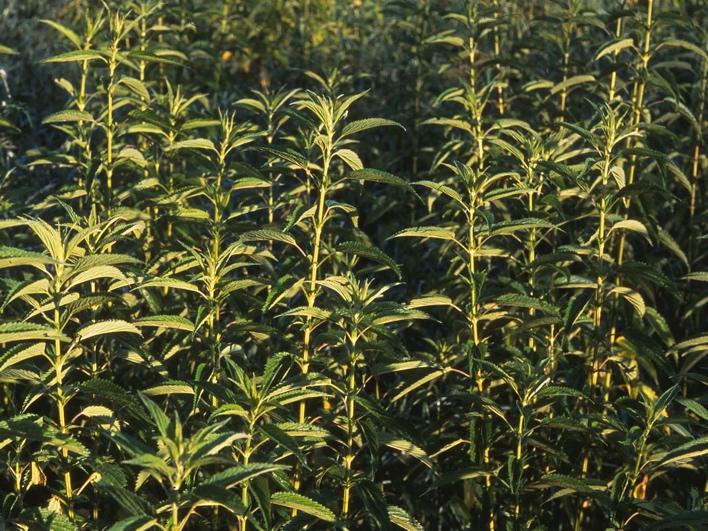
Not to be outdone by my friend who had found comma and question mark butterfly larvae on stinging nettle, I started to look on the underside of nettle leaves. Ouch! I hate to admit it but I often forgot to wear gardening gloves or take StingEze along on these searches.
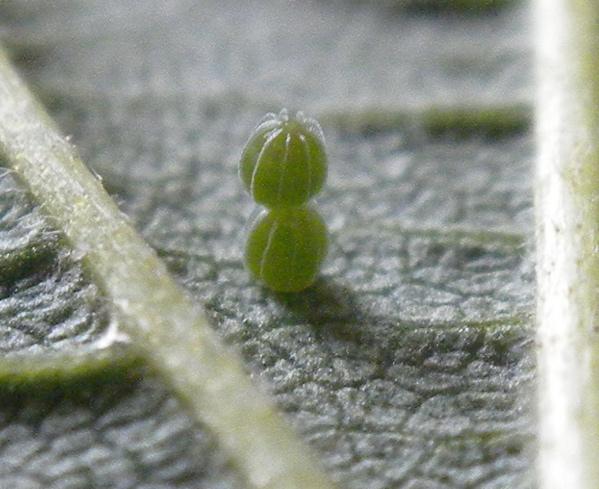
Eventually I was rewarded by finding two eggs, species unknown. I knew they were not red admiral eggs as they looked different from those. Were they comma, question mark, or even Milbert’s tortoise shell eggs? (The latter butterfly is also found in Michigan and lays its eggs exclusively on nettles.)
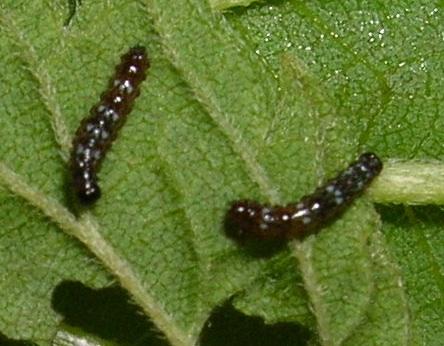
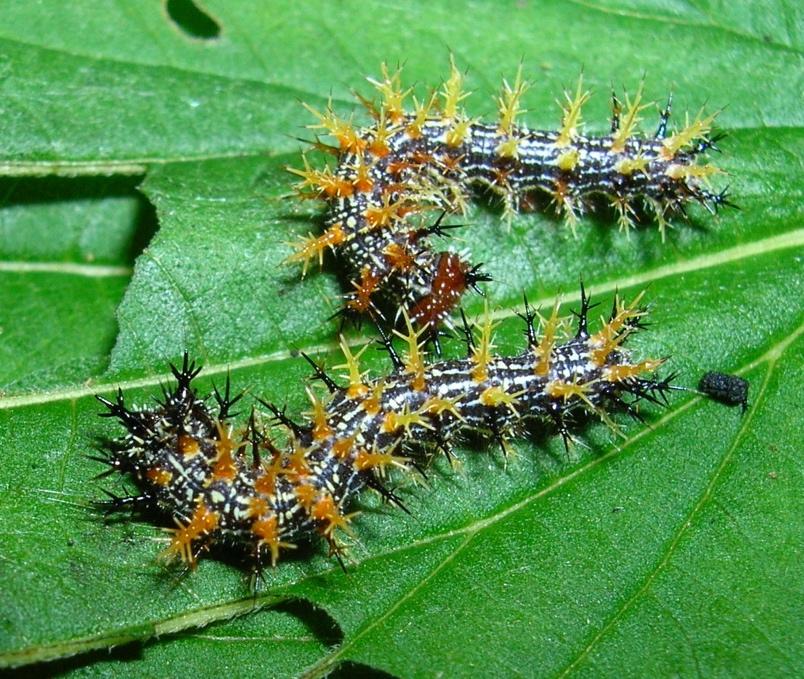
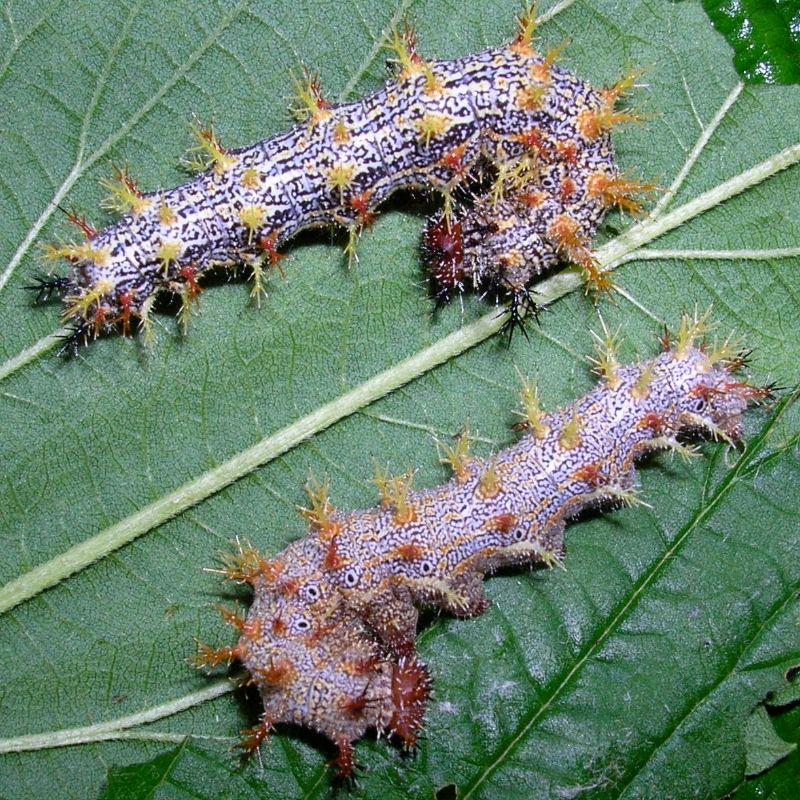
The eggs hatched five days later but the tiny caterpillars did not look like the ones shown in my books. Having raised quite a few species of butterflies and moths, I was not dismayed. Early instars (larval stages) often look very different from later instars. And late instar larvae of the same species can look different from each other, as in this case. I settled on question mark (Polygonia interrogationis), and after fifteen days at the larval stage and nine days at the pupal stage, the butterflies that emerged confirmed my identification.
Our native nettle species, stinging nettle (Urtica dioica subsp. gracilis) and wood nettle (Laportea canadensis), both have small, greenish flowers and do well at a woodland edge. While they are great larval host plants for several of our butterfly species, their non-flashy flowers and their propensity to sting apparently make them unpopular with even native plant enthusiasts, as I don’t see them for sale by our local native plant nursery, Hidden Savanna. Both species spread by rhizomes and could be shared at a plant exchange and planted in some out-of-the-way spot like behind the compost bin or a utility shed.
Photos by Russ Schipper
Ilse’s Gebhard’s essays are available in a digital book, Without a Net: Adventures with Butterflies and Moths, published by KAWO.