by Ilse Gebhard, KAWO member
If you suffer from “Flower Deprivation Disorder” like I do between the time the leaves fall and the new ones burst forth from their buds in spring, consider planting these two shrubs/small trees: spicebush (Lindera benzoin) and witch-hazel (Hamamelis virginiana).
You can cut winter short by two months with witch-hazel blooming in late fall, November, and spicebush in early spring, April. Imagine a walk in the woods with only bare branches. If it is a dry-mesic oak-hickory forest, be on the lookout for the wispy, bright yellow petals of witch-hazel and if it is a moist beech-maple forest, look for the dense, yellow clusters of spicebush flowers.
Both species are shade tolerant and insect pollinated. Remember you want to have flowers as early in spring and as late in fall as possible for our native insects.
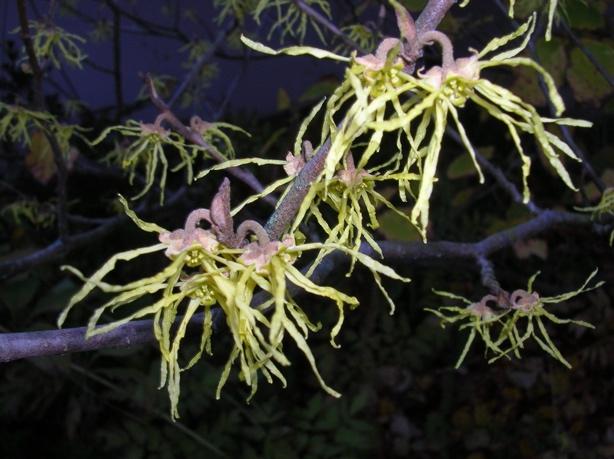
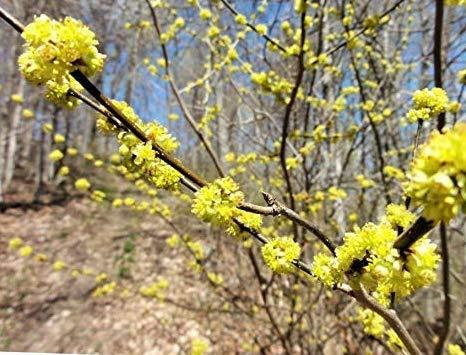
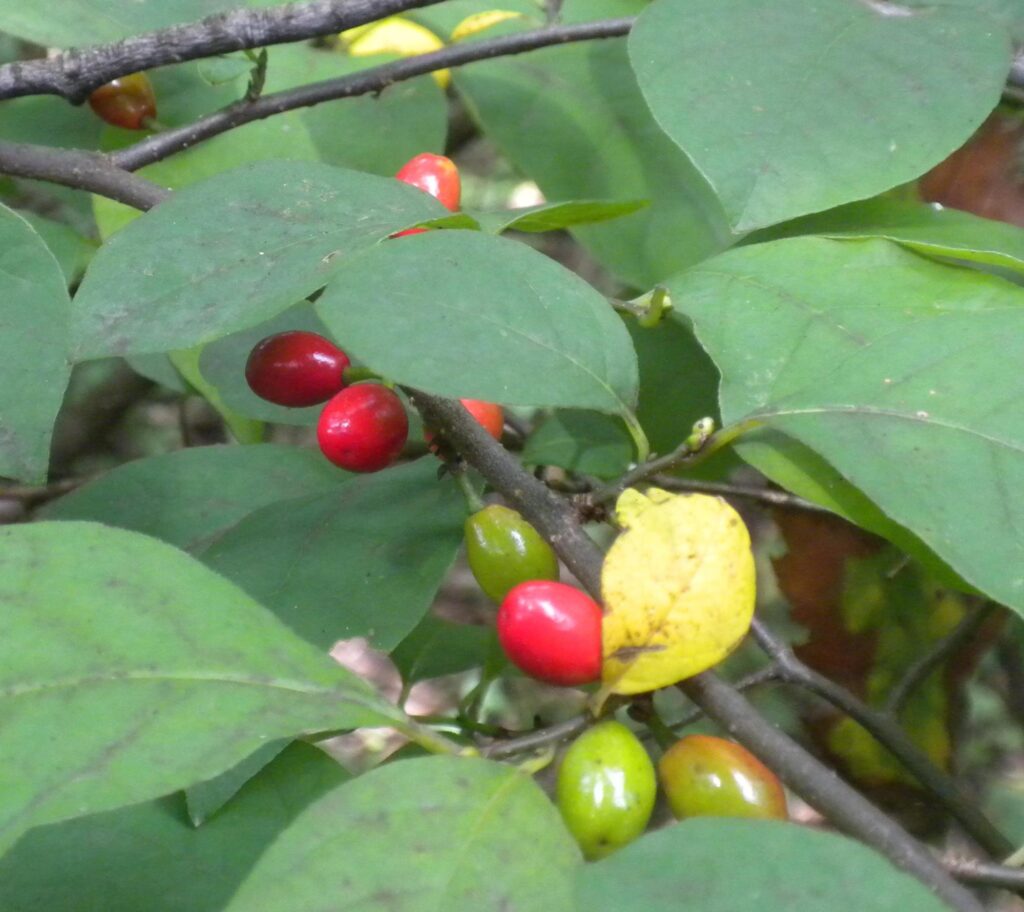
(Above photos by Russ Schipper)
If your soil is moist and fairly rich in humus, spicebush would be your choice. In the summer it is a host plant for the spicebush swallowtail butterfly and the Promethea moth and in the fall it has bright red berries relished by birds. I find the brownish bark especially attractive with its many whitish lenticels that serve for gas exchange. Make a tiny scratch on the bark of a twig, rub your finger over it and get a whiff of the wonderfully aromatic smell on your finger. I can no more pass a spicebush without doing that as I can pass by a milkweed without looking for monarch eggs or caterpillars.
If your soil is drier, you might choose witch-hazel. The seeds are not particularly attractive to birds but there are insects that are out late in the year that use the flowers for nectar and there are quite a few insects that use the leaves during the summer. I have come across two species: the witch-hazel cone gall aphid (Hormaphis hamamelidis) and the three-spotted nola (Nola triquetana). The former makes cone-shaped galls on upper leaf surfaces and the latter is a moth whose larvae make leaf rolls in which to feed and develop. In the rightmost photo below, note the silken strands that hold the roll in place. Also, the tan color on the right side is where the caterpillar has fed on the surface of the leaf.
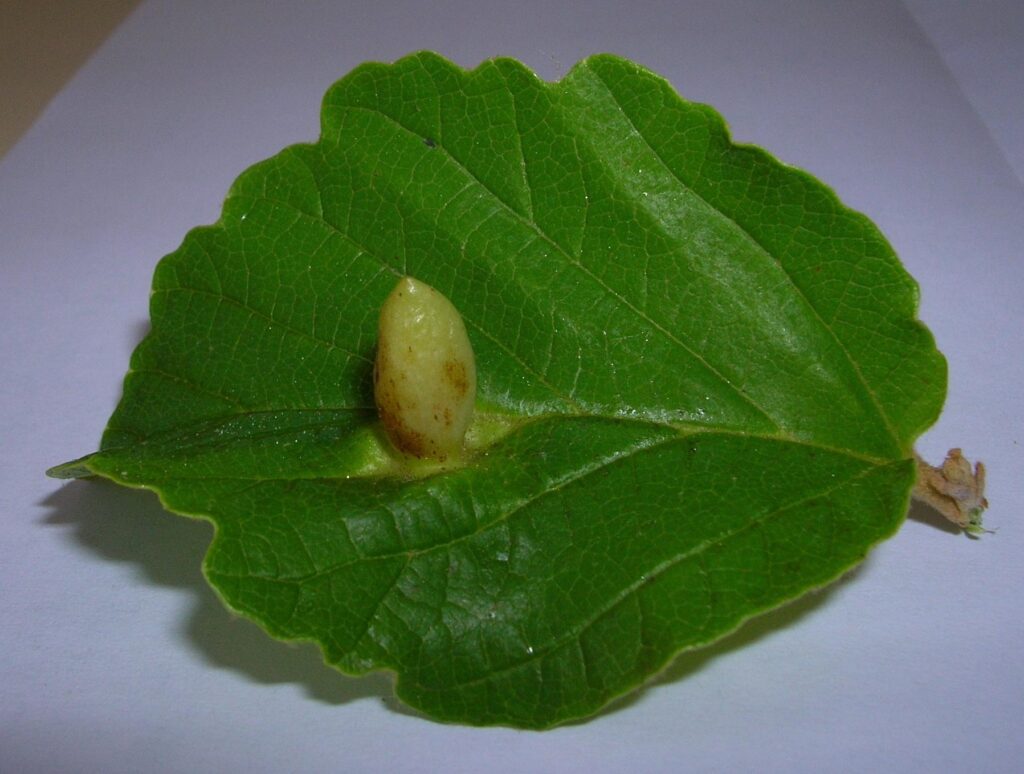
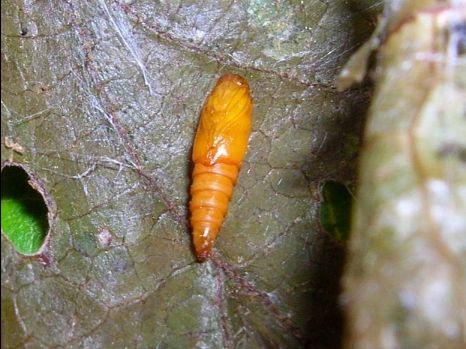
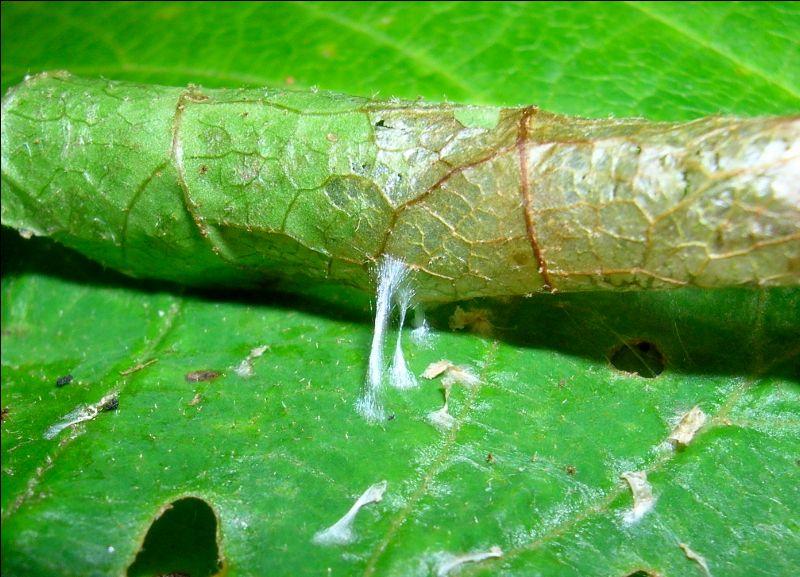
(Above photos by Ilse Gebhard)
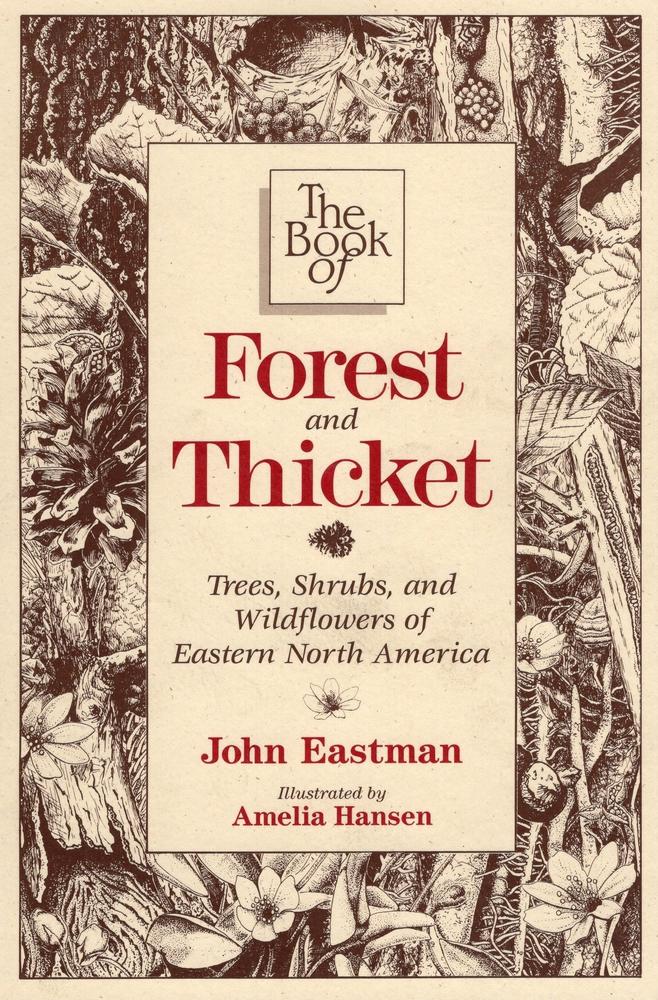
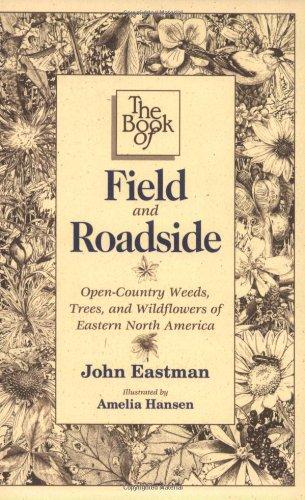
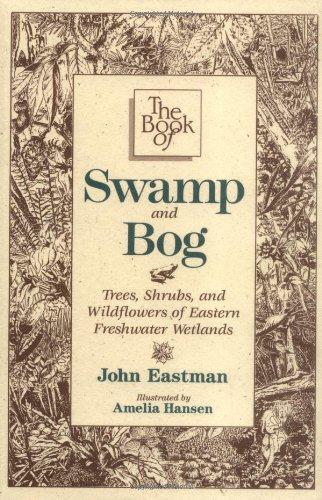
It’s not always easy to find out the identity of insects that use our native plants, but three books I own that talk about what insects are associated with the plants described in the books, are John Eastman’s The Book of Forest and Thicket, The Book of Swamp and Bog, and The Book of Field and Roadside. Published by Stackpole Books, and superbly illustrated by Kalamazoo artist Amelia Hansen, they are not only good reference books but fun just to read and look at the illustrations. I used Forest and Thicket to look up witch-hazel, which lists numerous associates and some interesting lore. It led me to look at other sources and identify the witch-hazel cone gall and the three-spotted nola. The books appear to be out of print at this time but can be found online at sites that sell used books. I’m surprised by how pricey some copies are. Treasure any copies you have.